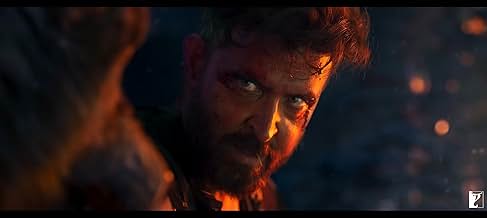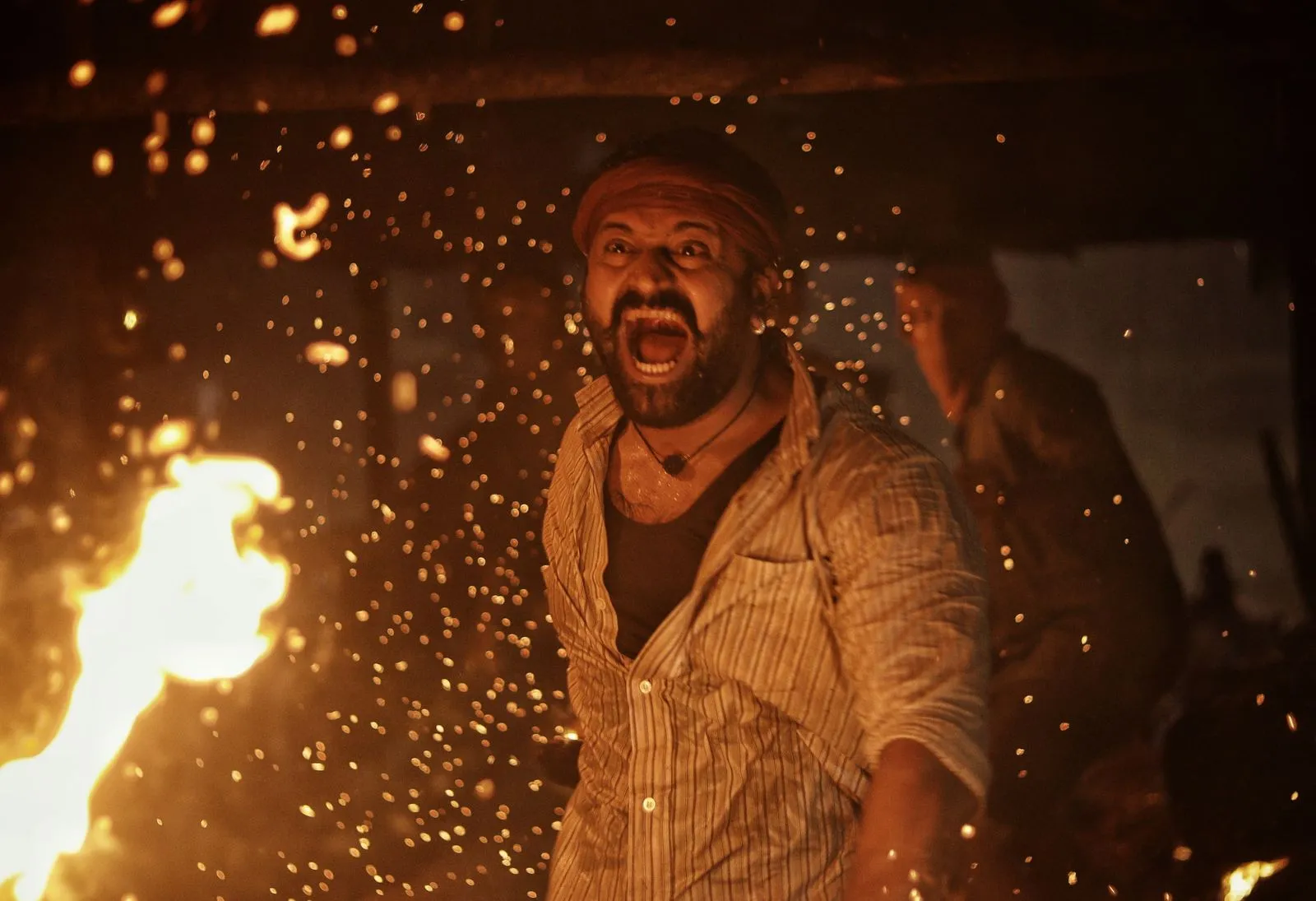
In this Kantara Chapter 1 review, the prequel’s scale and spiritual weight stand out from the first frame – roaring drums, crackling fires, and a divine fury that feels both ancient and urgent. It’s bigger, bolder, and more mythic – yet not without a few rough edges.
Quick Take
- Rating: 4/5
- Best for: Fans of mythological dramas, folklore, and raw action
- Language: Kannada (with dubs/subs)
- Length: 2h 48m
Summary
Set in ancient coastal Karnataka, the story traces Berme’s rise from tribal protector to a mythic force connected to daivas like Panjurli and Guliga. Royal greed collides with sacred land, and the consequences echo through ritual, blood, and destiny. Therefore, this Kantara Chapter 1 review focuses on how the film builds the world we only glimpsed in the original.
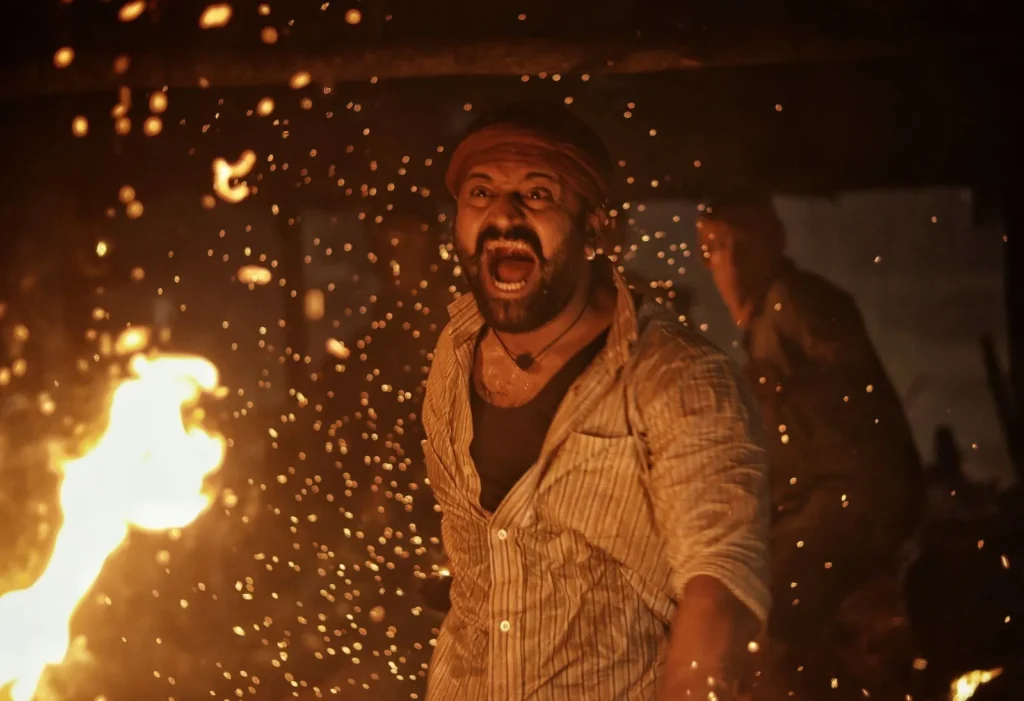
Kantara Chapter 1 review: What works brilliantly
- Visual grandeur: Forest rituals, moonlit battlefields, and temple courtyards look spectacular; moreover, the camera treats landscapes like living gods.
- Rishab Shetty’s performance: Ferocity and stillness in equal measure; as a result, the possession sequences feel electric rather than gimmicky.
- Cultural depth: Bhuta Kola and Daiva worship aren’t garnish—importantly, they’re the film’s spine.
- Music and sound: B. Ajaneesh Loknath’s percussion-driven score elevates quiet scenes and ignites set pieces.
Kantara Chapter 1 review: Where it stumbles
- Pacing: However, the first hour packs in lore and politics that occasionally slow momentum.
- Familiar beats: In contrast, the tribal vs. ruler conflict mirrors the original even if the scale is grander.
- Comic detours: Notably, a couple of lighter tracks undercut the otherwise hypnotic tone.
Performances
Rishab Shetty is riveting as Berme, torn between duty, rage, and the divine. Rukmini Vasanth brings quiet steel, while Gulshan Devaiah and Jayaram lend menace and moral weight. Ultimately, this Kantara Chapter 1 review credits the cast for grounding the mythology.
Craft and scale
- Cinematography: Smoky temple light, emerald groves, and red earth after rain—frames worth pausing.
- Production design: Weapons, costumes, and textures feel lived‑in rather than cosplay.
- Action: Practical, visceral, and occasionally operatic; the final confrontation earns its applause.
Standout moments
- A moonlit sequence where ritual and war collide—pure goosebumps.
- The climactic possession, staged like a storm breaking inside a human body.
- A closing tease that widens the universe without feeling like a commercial.
Is it better than Kantara (2022)?
Not quite—but it’s more ambitious. The emotional arc isn’t as tight, yet the world‑building is richer. Think of Chapter 1 as the myth and muscle under the original’s skin.
Should you watch it?
Yes. See it in theaters if possible, in Kannada with subtitles. The sound design and ritual sequences lose power on small screens. Even so, the finale alone justifies the runtime.
Pros
- Stunning visuals and sound
- Cultural authenticity
- Rishab Shetty’s commanding performance
Cons
- Uneven first half
- A few familiar story beats
- Occasional tone breaks
Verdict
Ultimately, this Kantara Chapter 1 review recommends a theatrical watch. It’s myth‑making with muscle—grand, spiritual, and unapologetically local. If Chapter 1 lays the foundation, the next chapter could soar.
Join the conversation: What did Chapter 1 get right for you—the myth, the action, or the music? Share thoughts below. For new releases and streaming picks, visit the News section and check our Movies/Series hub.